
Orthodontic Care for Adults: It’s Never Too Late
October 7, 2026You may have thought about straightening your teeth years ago and never quite got around to it. Now a front tooth overlaps more than it used to, or the gap you closed as a teenager has started opening again. Orthodontic care for adults can address crowding, spacing, and some bite concerns. Healthy teeth can still move after the teenage years, although gum disease or existing dental work may change the treatment plan.
At Cotswold Family Dentistry in Charlotte, North Carolina, we offer Invisalign clear aligners and check whether they can make the tooth movements you need. Before committing, you will want to know how the trays fit around meals, how often you need appointments, and what happens afterward. We go through those details as part of planning, along with the changes you want to make. If you still have an old retainer, bring it so we can check how your teeth have shifted.
Adult Teeth Can Still Move
Each natural tooth connects to the surrounding bone through a thin ligament. With controlled orthodontic pressure, the bone and tissues adapt so the tooth can gradually change position. Even after jaw growth is complete, that process can continue. We check the health of your teeth, gums, and supporting bone before planning those movements.
However, adult treatment often involves conditions that were not present during childhood. Gum recession, reduced bone support, large fillings, and missing teeth can affect how we move teeth. Before planning movement, we check how much support the teeth have and whether any dental work needs repair. In some cases, dental or periodontal treatment needs to come first.
Because adult jaws have finished growing, certain jaw-related bite problems need specialist assessment or a different treatment approach. Some concerns can be addressed by moving teeth, while others require more than aligners. We will explain those limits during planning. That includes whether another clinician should participate in your care.
Crowding, Gaps, and Bite Problems
Crowding can leave a tooth rotated or tucked behind its neighbor. You may find it difficult to clean that overlap, or simply dislike how it looks. Meanwhile, spacing can change your smile or leave areas where food collects. Depending on the cause and extent, orthodontic treatment may improve those positions. Maybe you had braces as a child and stopped wearing your retainer. Try out Invisalign and stop hanging on to that retainer that no longer fits in your drawer.
We also check how the upper and lower teeth meet. Moving teeth may improve certain biting contacts, but jaw pain and tooth wear can have other causes as well. We will assess those symptoms before suggesting what treatment could accomplish. If your concern is discomfort rather than appearance, describe when it happens and which movements trigger it.
Sometimes alignment is part of a larger restorative plan. Moving a tooth may create space for a replacement or help a future crown fit more effectively. We can coordinate that sequence before starting. You will know which steps come before the final dental work and why.
How Invisalign Works
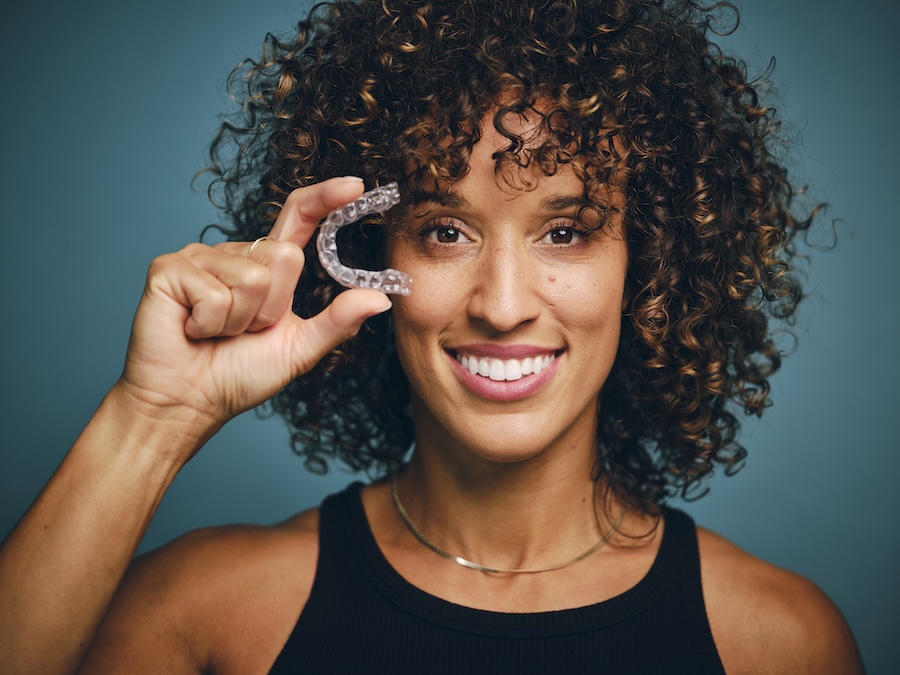
Invisalign uses a series of custom-made clear aligners that fit over your teeth. Each set applies pressure for planned movements, with later sets continuing the progression. We use an examination and digital scan to evaluate the starting positions and plan treatment. In some cases, small tooth-colored attachments help the aligners grip particular teeth.
During progress visits, we check how the actual movement compares with the plan. As treatment progresses, some teeth need additional aligners or refinements before it is complete. If a tray stops seating properly, contact us before moving ahead on your own. A poor fit may require a schedule adjustment or another step rather than pushing the next tray into place.
We advise wearing aligners 20 to 22 hours daily, removing them for meals, cleaning, and drinks other than water. That schedule needs to fit into workdays and weekends alike. A tray left in its case through lunch and an afternoon of snacking loses several hours of wear. We will discuss the routine before treatment so you can plan for those interruptions.
Check Gums, Cavities, and Dental Work First
Active gum disease needs treatment before we begin moving affected teeth. Plaque bacteria trigger inflammation, and an ongoing response can damage the tissues and bone supporting the roots. Moving teeth with unstable support can increase complications. We may recommend periodontal care followed by reassessment before discussing orthodontics further.
Crowns and fillings do not automatically rule out aligners. Their condition and shape can influence attachment placement and how teeth meet during movement. Meanwhile, implants remain fixed in the bone and cannot move like natural teeth. We incorporate those positions into the plan from the start.
Cavities and damaged restorations also need assessment. If a tooth already requires repair, treating it first can prevent problems while an aligner is trying to move it. We will explain which care should come before the scan or first trays. The schedule may involve preparatory appointments as well as orthodontic visits.
Plan for Meals and Cleaning
At work, you may need a place to brush after lunch and somewhere secure for the case. A small cleaning kit can help when you are away from home. Before replacing aligners, clean your teeth as directed so food and plaque do not stay trapped against them. Daily between-teeth cleaning remains part of the routine, even as crowding improves.
Also, keep the aligners out of hot water, which can warp them. Follow our cleaning instructions and put them in the case whenever you remove them. Wrapping them in a napkin beside lunch makes accidental disposal easy. If a tray is lost or damaged, contact us about what to wear next. Sometimes we’ll have to go to the next aligner, return the prior one, or we may need to get a new tray made.
Keep the Result With Retainers
After active movement ends, retainers hold teeth in their finished positions. At first, the surrounding tissues need time to adapt; later, gradual shifting can still occur throughout adulthood. Long-term wear is generally needed to maintain the result. We will explain when to wear yours and whether the schedule changes over time.
If a retainer feels significantly tighter, no longer seats fully, or causes pain, bring it in for a check. Teeth may have moved, or the appliance may have changed shape. Avoid forcing it or heating it to alter the fit. Contact us promptly if it breaks or goes missing so we can arrange replacement before more movement occurs.
Adult Orthodontic Care in Charlotte
If you would like to change crowding, spacing, or a reopened gap, arrange an Invisalign consultation with us at Cotswold Family Dentistry in Charlotte, North Carolina. Dr. Brianna Beckmann or Dr. Abigail Callahan can evaluate your bite and the support around your teeth. We will also review how existing crowns, fillings, or implants affect the plan.
Ask about the daily wear schedule, estimated cost, and retainers before deciding. Bring an old retainer if you have one, along with the changes you would like to make. You can explore orthodontic treatment now, even if you first thought about it years ago!
Contact UsCategorized in: Invisalign, Orthodontics